
Morocco · · AICurrency
Morocco's digital dirham research: how a central bank currency would differ from crypto
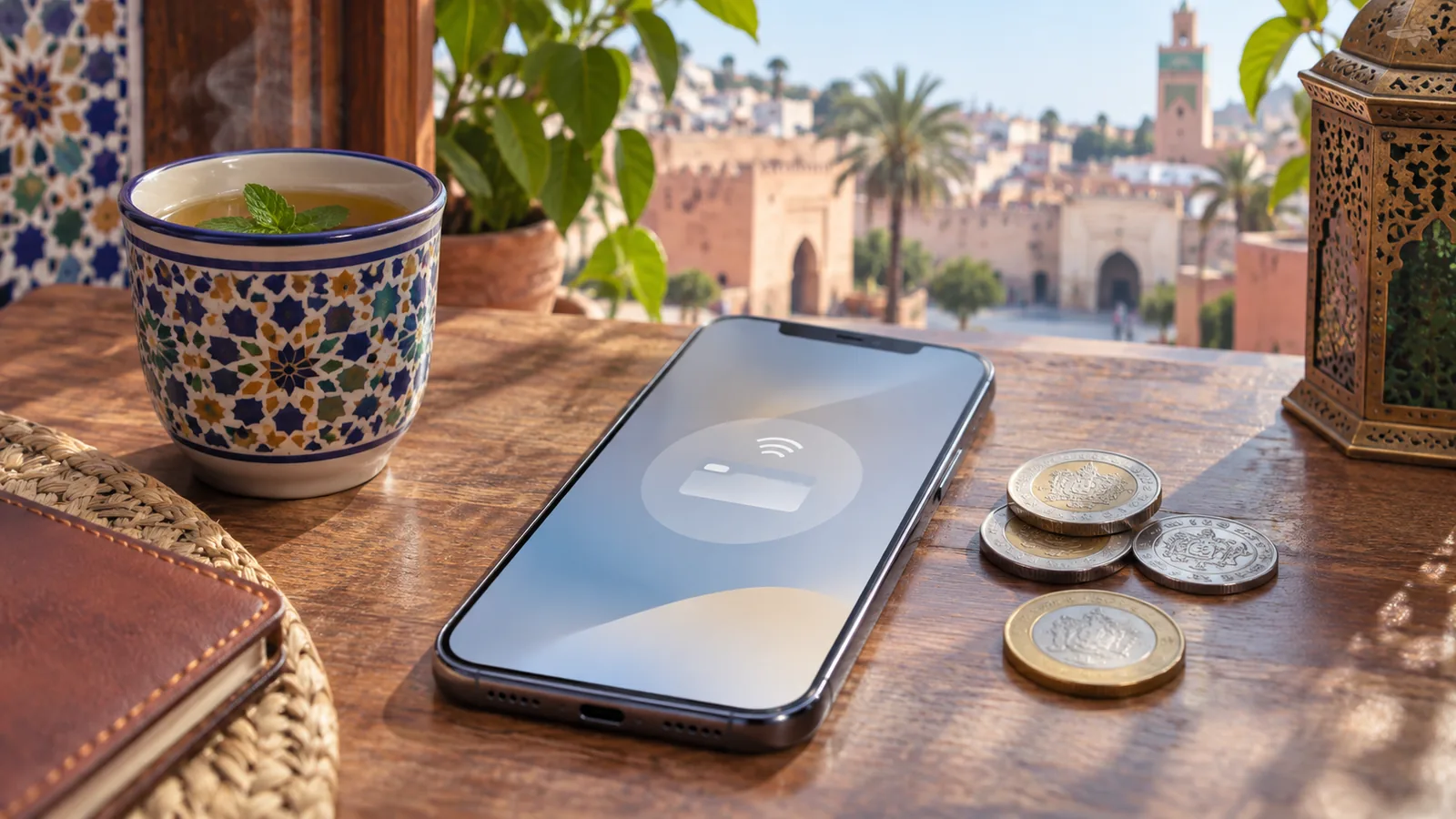
Morocco's research into a possible digital dirham raises a question for people who follow cryptocurrency markets: would a central bank digital currency work like Bitcoin or a privately issued stablecoin? As of November 27, 2026, no new launch announcement was verified for this article. Instead, this analysis draws on Bank Al-Maghrib research reported in October and the OECD's Africa Capital Markets Report published on November 6 to explain what the projects and regulatory distinctions mean for Moroccan households.
An October working paper by Bank Al-Maghrib researchers examines a possible retail central bank digital currency, often abbreviated to CBDC. Moroccan public broadcaster SNRT and Le Matin reported on the research in October. Le Matin's October 11 coverage describes experimental work undertaken with support from the IMF and World Bank, including a prototype used to explore the feasibility of digital central bank money. Testing a proposed technology does not constitute a decision to issue it to the public.
The scale of cash usage makes the question particularly relevant in Morocco. The research figures cited by Le Matin put currency in circulation at more than MAD 500 billion in 2025, compared with MAD 70 billion in 2001. These are historical cash-circulation figures rather than the volume of cryptocurrency transactions. They illustrate why any proposed digital payment instrument would need to be useful to people and businesses accustomed to notes and coins, including users with limited access to digital financial services.
A retail digital dirham, if introduced as described in the research, would be denominated in Morocco's official currency and issued by the central bank. Bitcoin, by contrast, is a privately held decentralised crypto-asset without a central bank issuer. A privately issued stablecoin attempts to track another asset or currency but may depend on issuer arrangements, reserves and redemption mechanisms. Similar-looking smartphone wallets can therefore represent fundamentally different legal rights and financial risks.
The OECD's November 6 report provides a separate regulatory reference. Its country comparison describes Morocco as not yet having an established licensing framework for crypto-asset service providers and notes restrictions on virtual-currency activity under existing financial and foreign-exchange rules. The document also records the absence of a distinct stablecoin regime. These observations concern the regulatory situation described in the report; research on central bank digital money does not itself change the rules for using private crypto-assets. Readers should consult official Moroccan authorities for any subsequent changes.
The practical takeaway is that digital payments, central bank digital currencies and private crypto-assets should not be treated as interchangeable products. AICurrency's USD to MAD and EUR to MAD tools provide reference currency conversions, while the stablecoin guide explains how private tokens attempt to maintain a reference value. Neither the studies nor the international report confirms an official digital-dirham launch date, and the analysis does not encourage transactions outside Morocco's applicable rules.
Sources: OECD — Africa Capital Markets Report 2026, crypto-assets and stablecoins chapter, November 6 · Bank Al-Maghrib — October 2026 working paper, direct PDF linked by Le Matin (direct access restricted during verification) · Le Matin — October 11 coverage of digital dirham testing and cash figures · SNRT News — October 9 coverage of Bank Al-Maghrib research · Bank Al-Maghrib — virtual currency information, cited by OECD
No comments yet. Start the discussion.