
Beginners
Before Your First Crypto Transaction
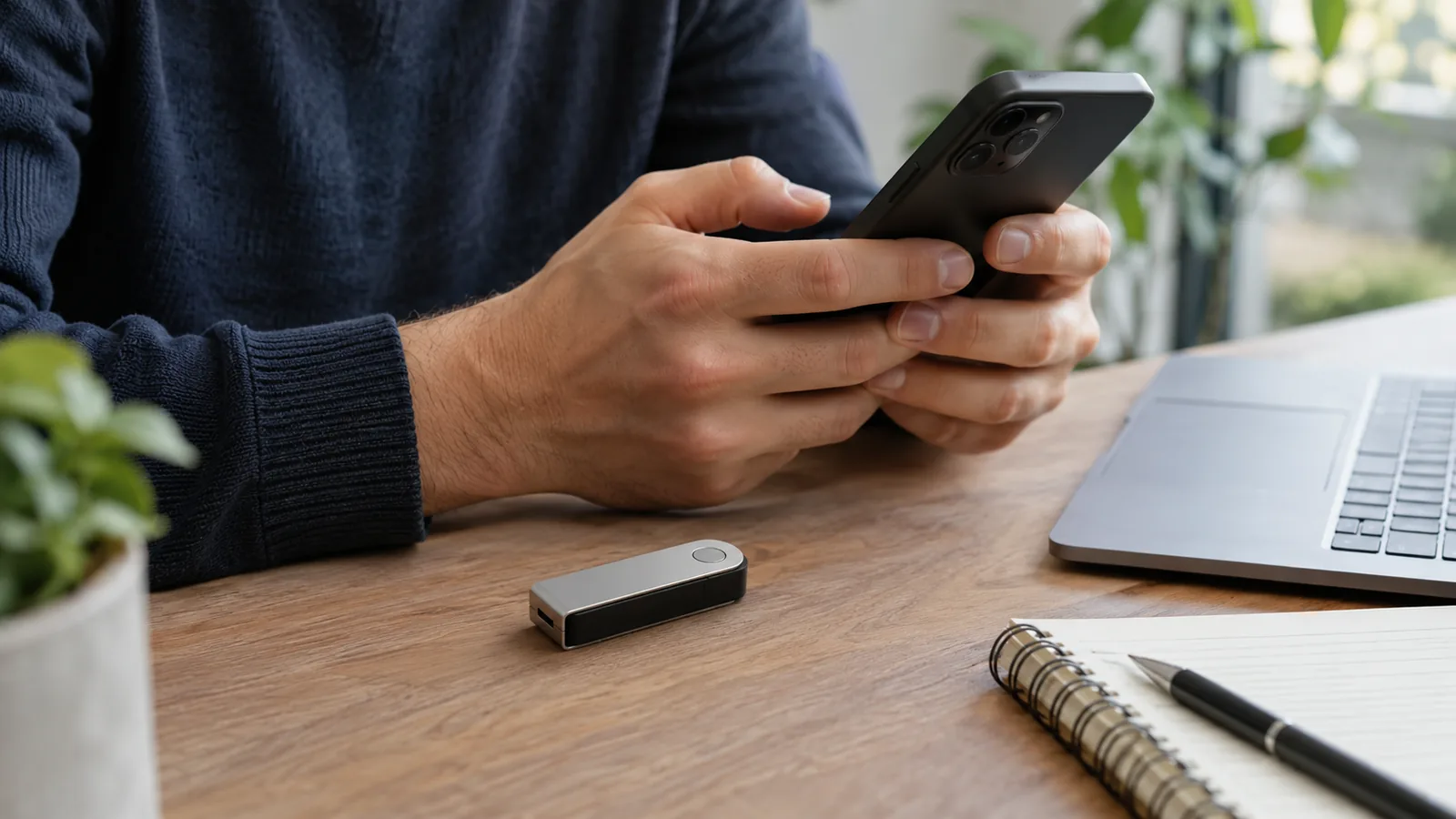
Learn how custody, fees, network selection and common scams can affect a transfer.
Know who controls the keys
When a platform holds the keys, access depends on that provider and its terms. With self-custody, you are responsible for securing the keys and recovering access. Ask how recovery works before relying on either option.
Compare the full cost
Read the order and withdrawal previews. In a hypothetical $50 purchase with a $1 trading fee deducted from the order and a $2 withdrawal fee deducted afterward, the amount received would be $47 at the same conversion rate. The spread and any price movement can also affect the final amount.
Check the network and destination
Verify the asset, the network, the complete recipient address and any required memo or tag with the receiving service. A small test transfer can help confirm the setup when minimum amounts and fees permit. Confirm that it arrived before sending more. Crypto transfers are generally difficult to reverse.
Pause when someone rushes you
Treat unsolicited support messages and promises of guaranteed returns as red flags. Open the service through a known address, and never send a recovery phrase to someone asking to verify your wallet. See the FTC guide to crypto scams and Investor.gov’s crypto overview.
No comments yet. Start the discussion.